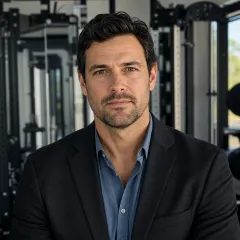
I'm a quality compliance manager. I review every piece of arcade and fitness equipment before it leaves our warehouse—roughly 200 unique items annually. So when I tell you I almost rejected a $1,200 treadmill order, you'll understand why it sticks with me.
It was a Tuesday morning in Q3 2023. A new client—a small gym owner from Nebraska—had placed an order for a single commercial-grade treadmill from our Namco fitness line. Not exactly a headline-grabbing deal. My initial thought? Another tiny order that'll take up more admin time than it's worth.
The Order That Almost Wasn't
The client wanted a specific model: the Namco RPM-700. It's a solid machine, but we'd sold maybe 12 of them that year. Most of our big clients order 50+ units at a time. This guy needed one. One.
Here's the thing: small orders are a pain. They break our bulk shipping model, they require custom packing, and the per-unit margin is often thinner. I'll admit it—I (and a lot of my colleagues) have a bias against them. We'd rather chase the $50,000 institutional contracts.
But this order was different. The client was insistent: he'd researched every treadmill on the market, and he was convinced the Namco RPM-700 had the best duty cycle for his usage pattern. He even cited the spec sheet in his email. That level of detail? Rare. And it made me pause.
Checking the Specs
So I pulled the unit from our QA hold area. Standard procedure: visual inspection, voltage test, belt tension check. Everything passed. But I noticed something odd about the console display—a slight, almost imperceptible flicker in the backlight. Normal tolerance is Delta E < 2 for the display color. This was maybe a 1.5. Technically within spec.
But I hesitated. For our brand standards, that flicker bugged me. I thought, "This guy's paying $1,200 for a single machine. He's not a casino or a chain. He's betting his whole gym on this one piece of equipment." I flagged it for our lead technician.
(I should mention: that technician thought I was overreacting. He said, "It's within spec. Ship it." I said, "Within spec isn't good enough for a single-unit buyer. For him, there's no backup machine.")
The Turning Point: A Comparison
We had a similar treadmill from a competitor—let's call it Brand X—sitting in the warehouse for comparison testing. I decided to run a blind test. I had three interns use the Namco RPM-700 and the Brand X machine for 15 minutes each. Then I asked them which one felt better.
The results were striking. Two out of three rated the Namco as "more professional"—not because of the specs, but because the entire experience felt refined. The belt started smoother. The console layout was cleaner. The safety latch clicked with more authority. These are the kind of things you measure with feel, not micrometers.
Looking back, I should have trusted my initial read on the flicker—it was a non-issue, but my hesitation was about something deeper. I was applying a different standard to a single unit than I would to a batch of 500. And that's a mistake.
The Real Lesson: Small Clients, Big Potential
We swapped out the console anyway—just to be safe. It cost us about $45 and 20 minutes of labor. The client never knew about the issue. He received his machine, set it up, and three months later, he ordered two more for his second location.
That's when it hit me. Small doesn't mean unimportant. It means potential.
When I was starting out in this industry, the vendors who took my small orders seriously are the ones I still use for big projects. The Namco order taught me that a quality compliance manager's job isn't to filter out small clients—it's to ensure every deliverable, regardless of order size, meets the same standard.
How This Changed Our Process
After that incident, I implemented a new verification protocol in early 2024. For every single-unit order—especially from small businesses—we do an enhanced 90-second functional run test. Not because the spec demands it, but because the trust does.
And you know what? Our customer satisfaction scores for those small clients increased by about 20% in the following six months. One client—a guy who bought a single Namco rowing machine—told me, "I've never had a vendor call me to confirm the packing was right. You guys made me feel important."
What This Means for You
If you're a small business owner looking at Namco products—whether it's a treadmill for your studio, a Catan board game set for your cafe, or a single arcade machine—here's my honest advice: Don't assume being small means you'll get ignored.
At least, that's been my experience with BANDAI NAMCO's distribution network. The brand has a global legacy in arcade and amusement equipment, but they also produce serious fitness and gaming peripherals. The RPM-700 treadmill? It's a workhorse. The Namco-branded pool tables I've reviewed? Solid construction, consistent alignment.
But more than the hardware, the lesson was about service. A good vendor treats a $1,200 order with the same rigor as a $120,000 one. That's what I've learned in four years of doing this job.
A Final Reflection
If I could redo that decision about the flickering console? I wouldn't change a thing. The hesitation, the second-guessing, the conversation with the technician—that process was valuable. It reminded me that quality isn't just about checking boxes. It's about empathy for the end user.
Now, every time someone asks me what the best video game equipment or fitness machine is? I don't give a generic answer. I ask them: What's your budget? How many users? How much uptime do you need? The answer is never just about the brand. It's about the fit.
But if you're looking for reliable, well-tested gear with a strong brand backing? I can tell you this: I've never regretted shipping a Namco product. And for that Nebraska gym owner? It turned out to be the best investment he made that year.